Reflection for the Solemnity of Mary, Mother of God
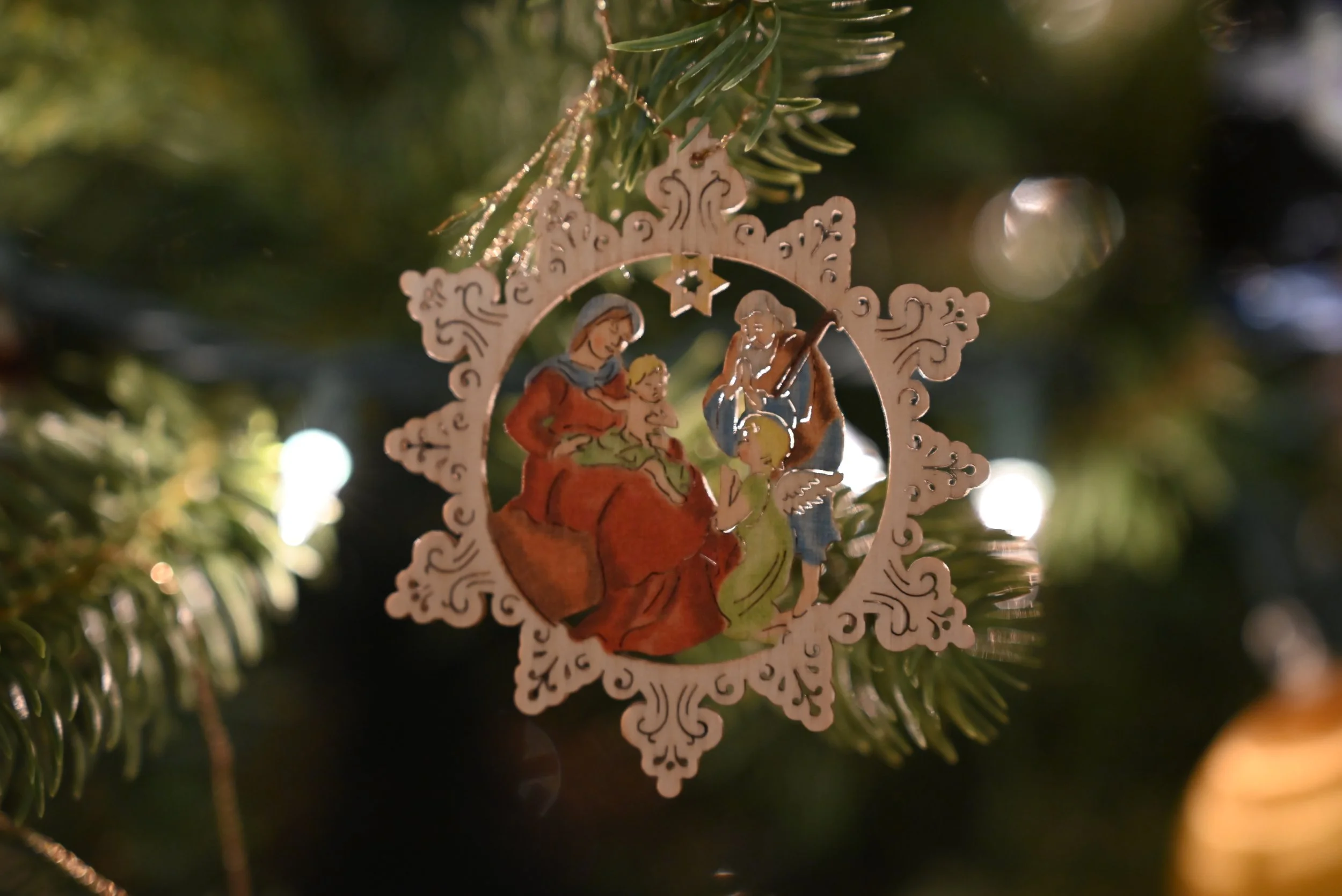
The Solemnity of Mary, the Mother of God is also the Octave Day of Christmas, and the Church in her wisdom prompts us to celebrate by returning to the crib. The mystery of the motherhood of Mary as Mother of God is the mystery of the Incarnation: Mary’s son is Son of God. As the Catechism explains, “What the Catholic faith believes about Mary is based on what it believes about Christ, and what it teaches about Mary illumines in turn its faith in Christ.” (CCC 487)
And so, on today’s Solemnity it is fitting to reflect on this great mystery of the Incarnation. The Catechism tells us four reasons that Christ became incarnate:
1. In order to save us by reconciling us with God
2. So that we thus we might know God’s love
3. To be our model of holiness
4. To make us partakers of the divine nature (CCC 457-460)
To save us
Before the birth of Jesus, we hear, “[Mary] will give birth to a son and you [Joseph] must name him Jesus, because he is the one who is to save his people from their sins… a name which means ‘God-is-with-us.’” (Matthew 1:23) His Name literally is His mission. He came to save us sinners, to reconcile us with the Father. As Saint Augustine states, “God created us without us: but he did not will to save us without us.” All we need to do in order to receive his mercy is admit our sins and be reconciled to Him. (CCC 1847)
To know God’s love
The beautiful reminder of Christmas is that Jesus loves us so much He took on our humanity to show His love for us. In his famous sermon for the Nativity, Saint Leo the Great tells us, “Today our Savior is born; let us rejoice… No one is shut out from this joy; all share the same reason for rejoicing. Our Lord, victor over sin and death, finding no man free from sin, came to free us all.” The Second Person of the Blessed Trinity has implicated Himself in our plight and redeemed us, taking our humanity to Himself and reconciling it with Himself, God. As the Psalmist declares: “He brought me forth into freedom, he saved me because he loved me.” (Ps 18:20)
To be our model
Possessed of the fulness of every grace and virtue, Christ’s life is a model for us of what holiness enfleshed in the lived reality of human life looks like. Through the Gospels, we see his union of soul with the Father in the fulness of charity and the complete conformity of his human will with his divine will. We see his humility, his patience, his love, his desire for the salvation of souls — every virtue is found in its fulness in Christ. This is why meditation on the Gospels and most especially on the Passion is such a fruitful practice in the Christian life: we see before our eyes the supreme model of how we ought to live our own lives and be conformed to his image.
To partake of His divine nature
Returning to Saint Leo’s sermon, he goes on to say, “Christian, remember your dignity, and now that you share in God’s own nature, do not return by sin to your former base condition. Bear in mind who is your head and of whose body you are a member. Do not forget that you have been rescued from the power of darkness and brought into the light of God’s kingdom… for your liberty was bought by the blood of Christ.” We have been made partakers of the Divine Nature through our rebirth in baptism. Remember your dignity.
As we reflect on this Octave day of Christmas on the meaning of the Incarnation, let us turn to Mary, the Mother of God, and follow her example of keeping all these things and reflecting on them in our hearts, and imitate the shepherd by glorifying and praising God for all we have seen and heard (Luke 2:19-20).